V-V-100 Vu-Con® Sistemi“
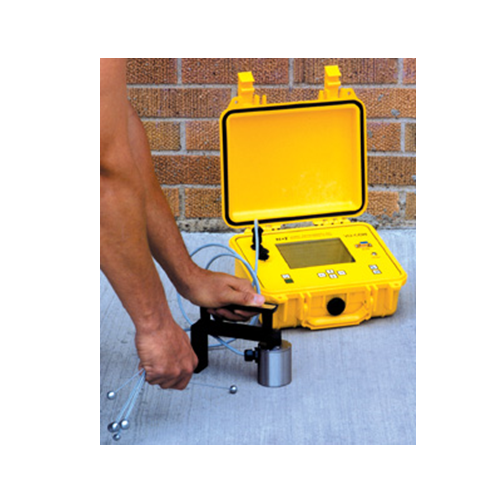
Açıklama:James Vu-Con® Sistemi, darbe yankı yöntemini kullanarak beton ve kagir yapıların değerlendirilmesinde kullanır. Darbe yankı yöntemi, malzemenin içinden yayılan ve hem malzemenin dış yüzeyleri hem de iç kusurları tarafından yansıtılan, darbeden üretilen gerilme dalgalarının kullanımına dayanmaktadır. Bu yöntem, beton döşemelerde ve plakalarda hassas tahribatsız kalınlık ölçümleri yapmak ve bal peteği oluşumu, ayrışma ve tabakalaşma gibi iç kusurları bulmak için kullanılabilir. Harcın duvarları birbirine bağladığı yığma yapılarda kalınlığı ölçebilir,çatlakları, boşlukları ve diğer kusurları tespitedebilir. Son olarak, darbe yankı yöntemi çelik donatıların varlığından etkilenmez. Yöntem, incelenen malzemenin yüzeyi üzerinde kısa süreli mekanik bir etki yaratarak çalışır. Bu, genellikle malzemenin içinden, diğer yüzeylere ve iç kusurlara doğru yayılarak düşük frekanslı gerilme dalgaları üreten küçük çelik bilyalar tarafından gerçekleştirilir ve test için kullanılan yüzeye geri yansıtılır (aşağıdaki şemaya bakınız). Yüzeydeki mekanik darbeden gelen titreşimi kaydedip analiz ederek, kalınlık ve diğer fiziksel özellikler (önceki paragrafa atıfta bulunularak) belirlenebilir. Diğer klasik ultrasonik tekniklerinden ziyade, darbe yöntemini kullanmanın avantajı; üretilen gerilme dalgalarının düşük frekansı ve uzun dalga boyudur. Düşük frekanslı gerilme dalgaları, beton ve duvarlara doğru yayıldıkça tek bir elastik homojen malzeme olarak davranır.
Vu-Con® Sistemi, mühendise darbe yankı analizi için en sağlam, en güvenilir sistemi sağlar. Hareketli parça olmadan ve en son mikrobilgisayar teknolojisinin uygulanması ile; hem ileri teknoloji hem de güvenilir bir sistem tasarlanmıştır. Cihaz, gün ışığında rahatça görüntülenebilen 90 mm (3.5”) x 115 mm (4.5”) grafik ekranıyla birlikte gelir. Bu, sonuçların yerinde hızlı bir şekilde analiz edilmesini sağlar. Saat ve tarih göstergesi ile 200’den fazla test saklayabilir. Veriler, kolay bir şekilde bilgisayara yüklenerek raporlara ve veri analizlerine aktarılabilir. Veri iletişimi, RS-232 girişi ve Windows uyumlu bilgisayar yazılımı vasıtasıyla gerçekleşir. Cihazın hassasiyet seviyesinin seçilmesi, kullanıcının sahadaki değişen ortam koşullarına uyum sağlamasına müsaade eder.